Robotic knee replacement surgery offers enhanced precision, leading to better im...See More
Dec 24, 2025

Revolutionizing knee surgery with cutting-edge techniques for optimal mobility

Expert solutions for failed implants, deformities, and challenging knee cases.

Advanced surgical care to regain function after infection or severe injury

.png)
.png)
.png)
About Us
years of Joint Replacement
Knee Replacements Performed Individually.
Years of Experience in Orthopedic Surgery


Stay informed with our latest updates, posts, announcements, and healthcare news
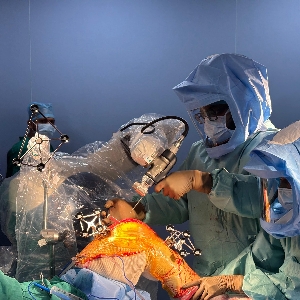
Robotic knee replacement surgery offers enhanced precision, leading to better im...See More
Dec 24, 2025
Joint Replacement Surgeon, Orthopedic Surgeon
.png)
What our Patients says about us
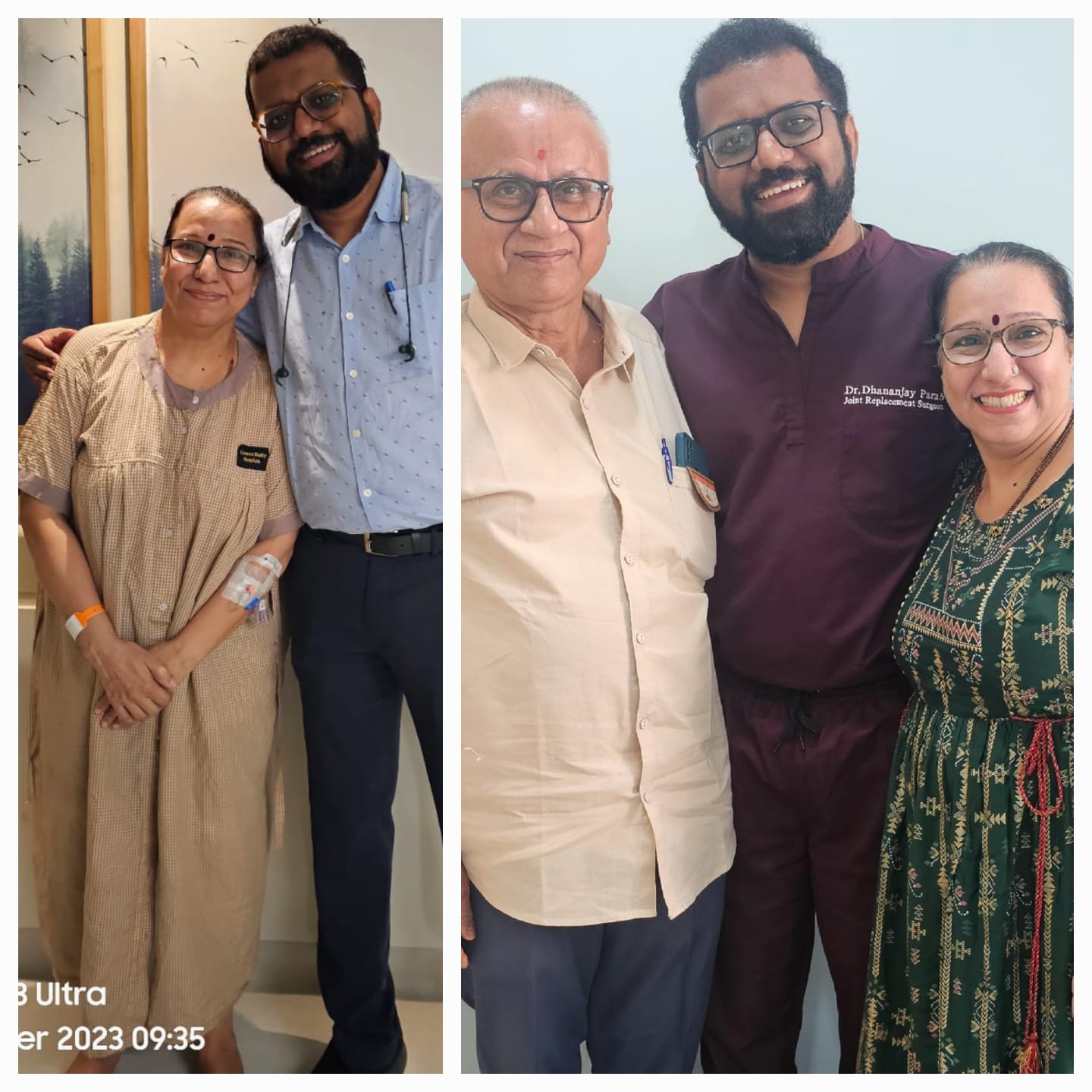
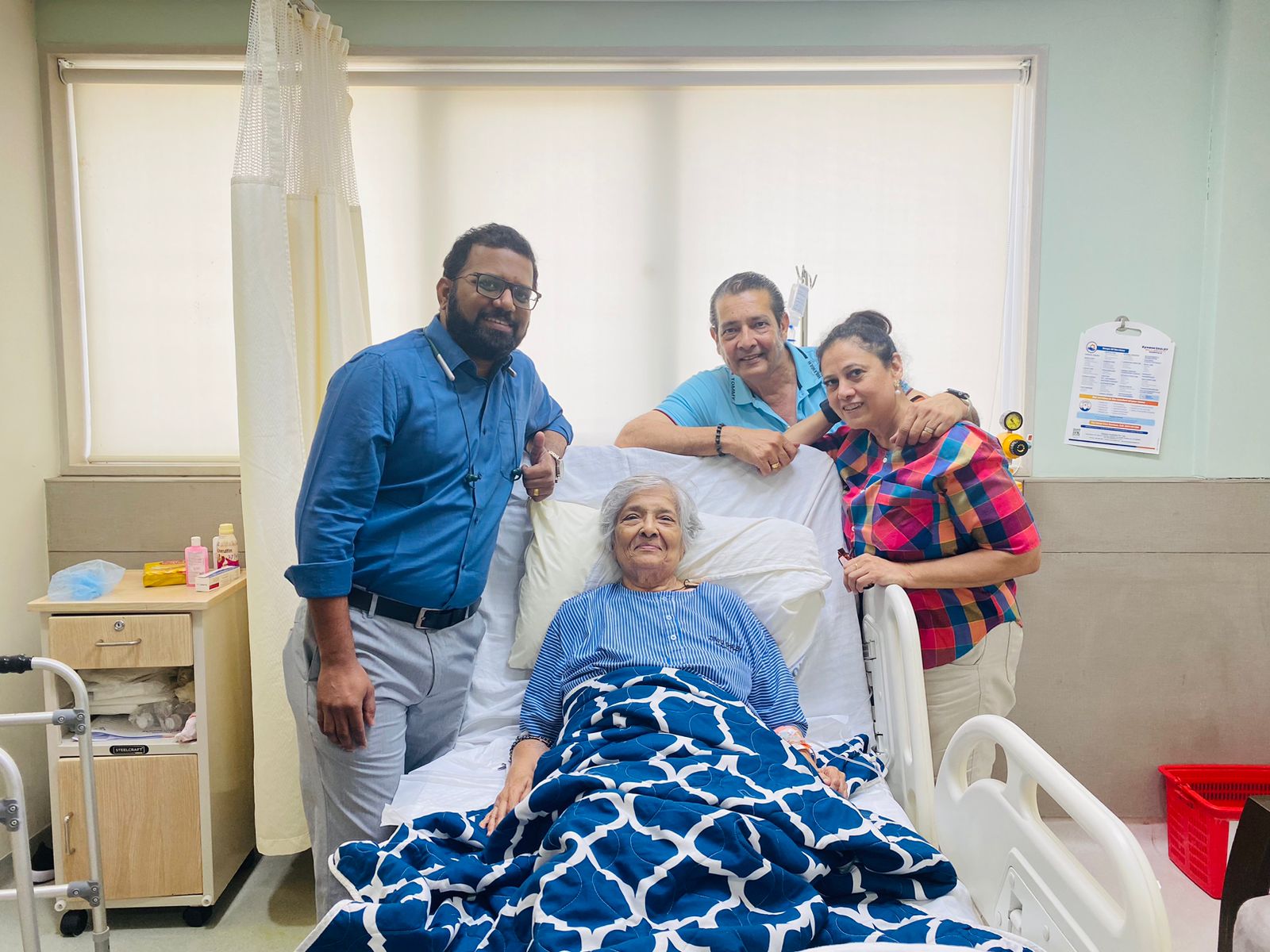
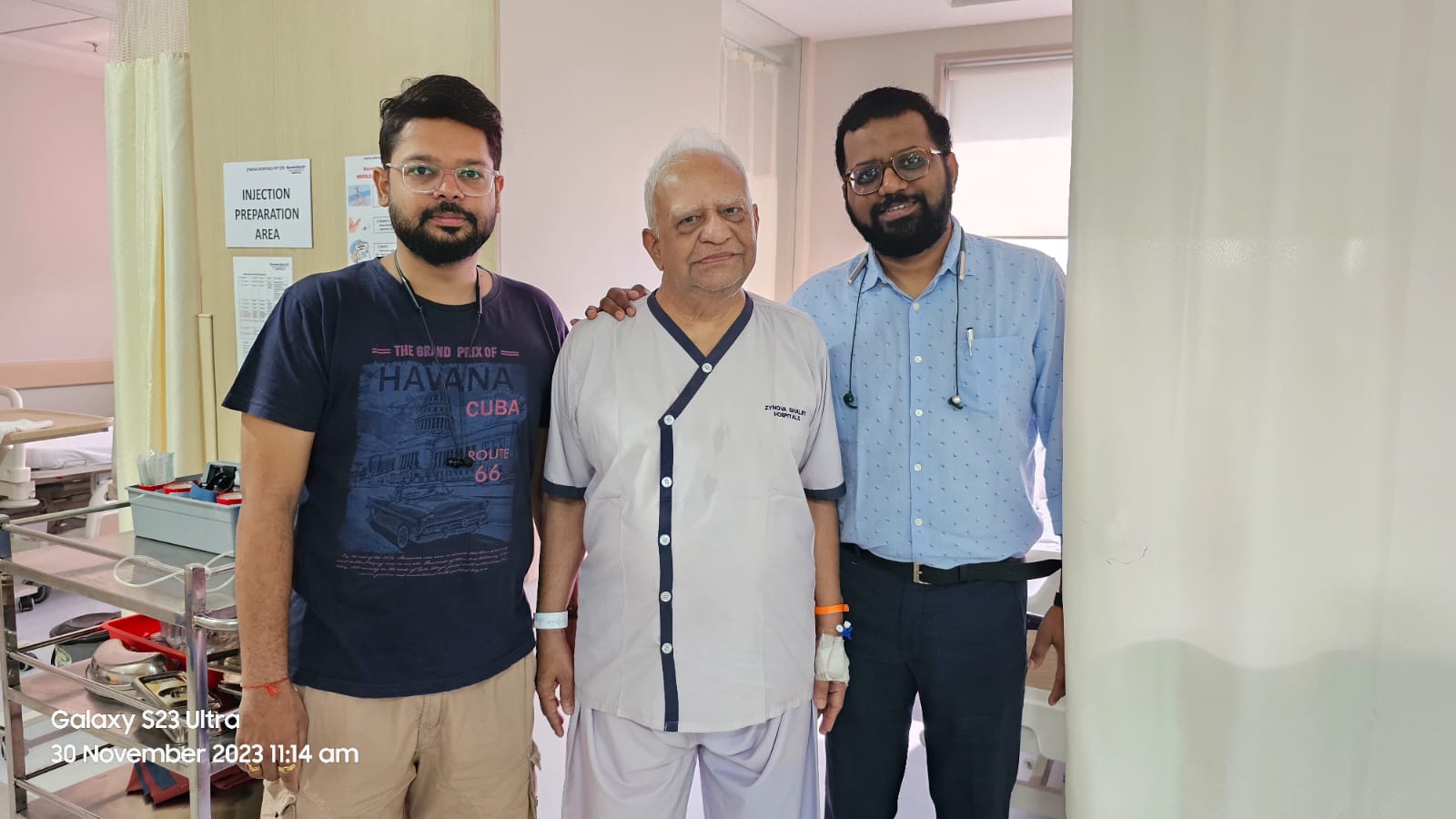
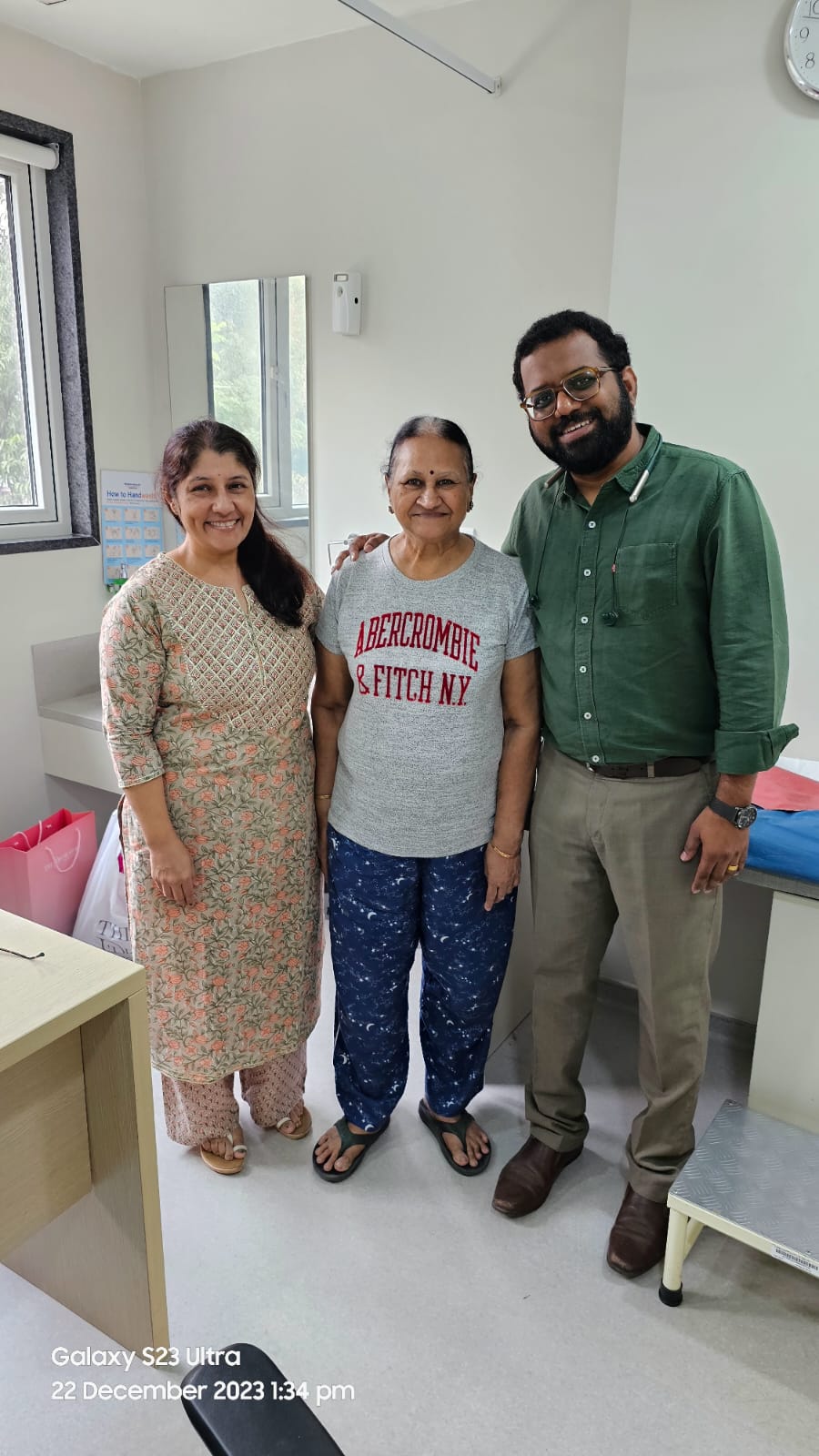
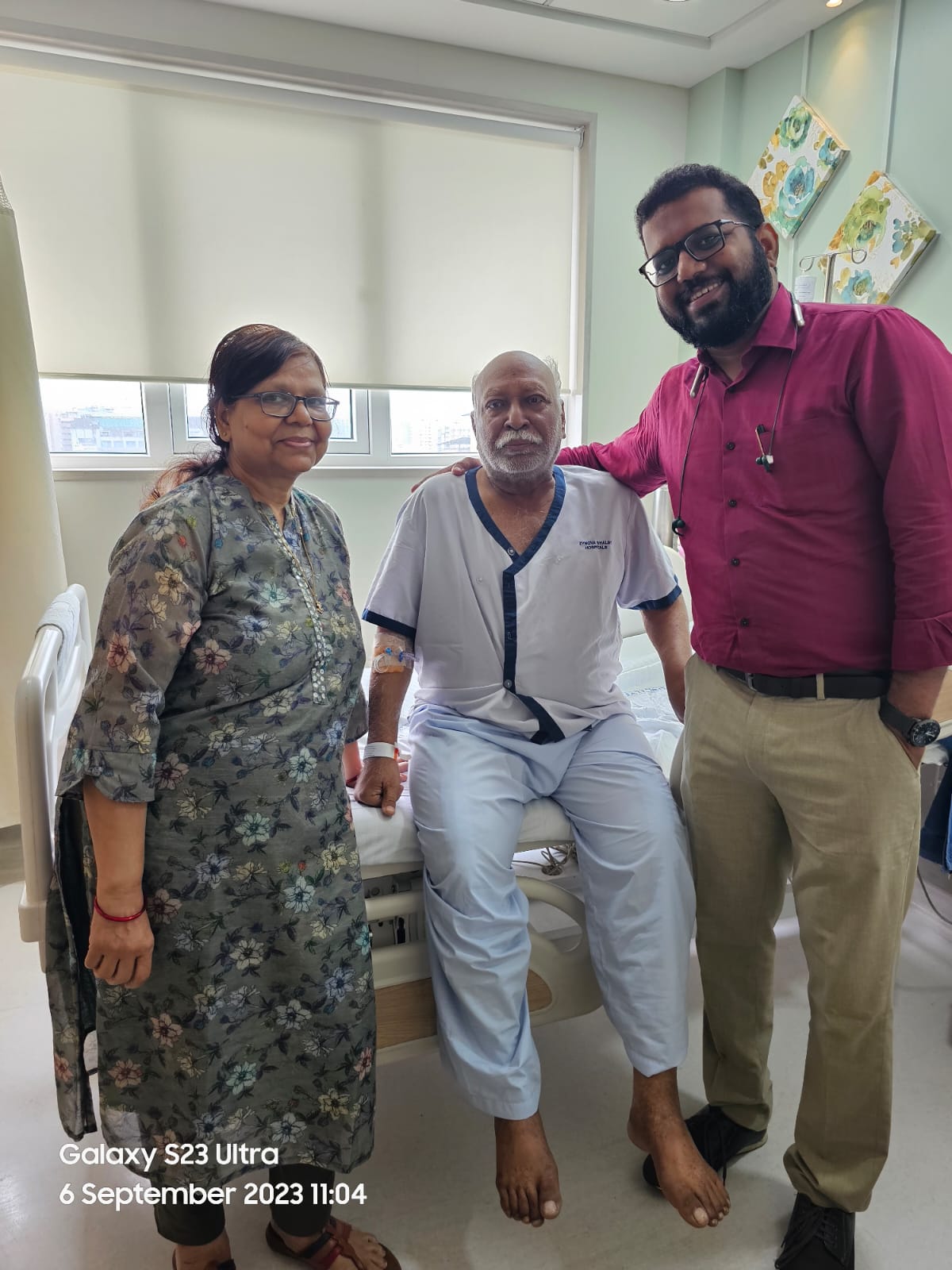
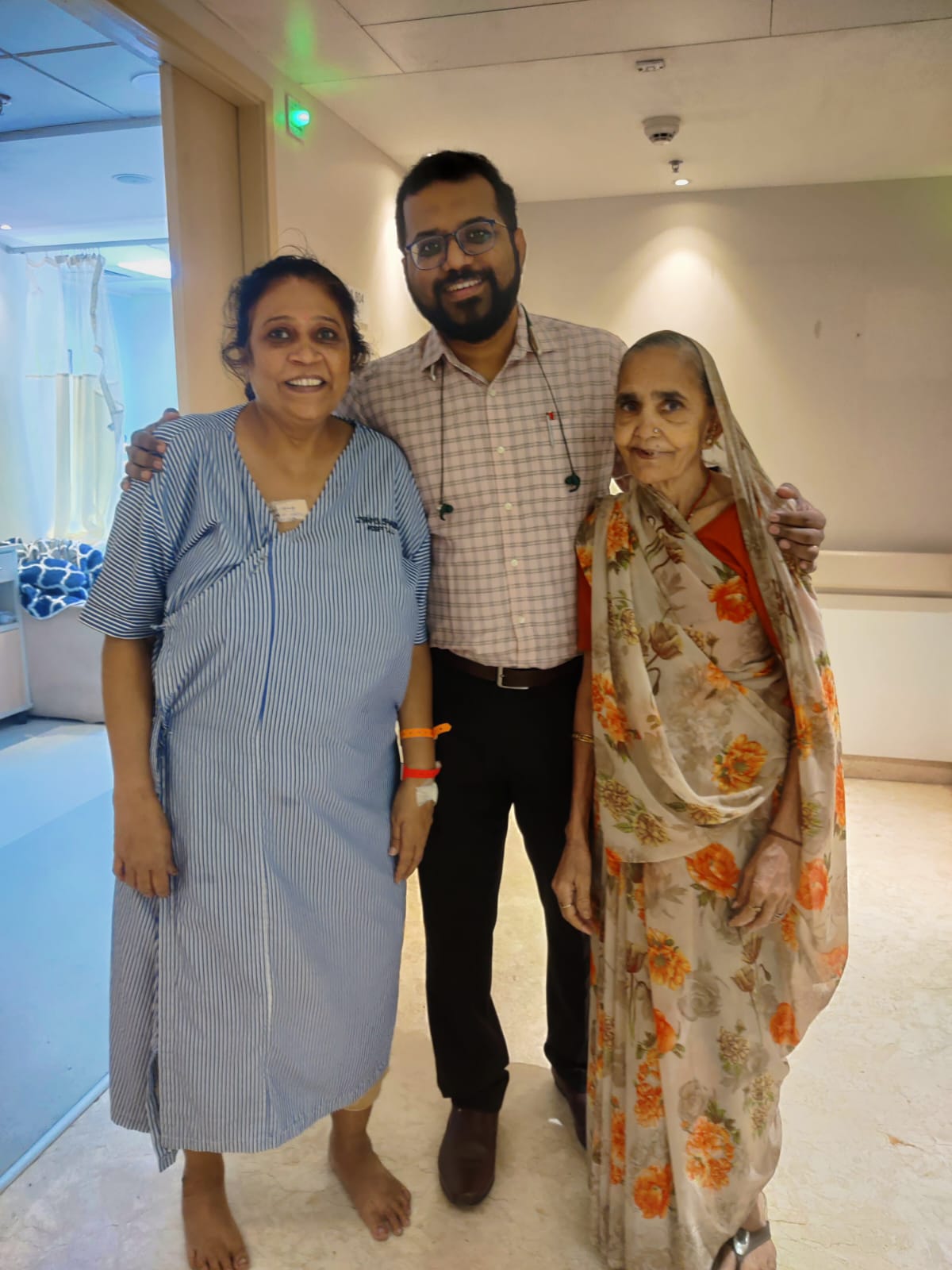
Excellent doctor...Recently I had my mother in law's knee operation done by him which was a successful operation. He is very helpful as well as co-operative in nature. Today after two months of operation too, he is still in contact with us and provide regular advices on what to do next...Highly recommendable.

I reached out to doctor Dhananjay on a Saturday afternoon when my 12 yr old had broken his fingers. He guided me on WhatsApp so that by the time he meets him in evening, he gets comfortable. His approach is very simple and he has a pleasing personality. I truly appreciate his diagnosis, approach and great attitude. Thanks doc !
A very helpful doctor very calm and composed ,very patiently answers all the questions asked,has done a wonderful surgery to my mother 2 months ago. Helps the patient feel extremely comfortable.Highly recommend.Zynova hospital is also very good and great hospitality
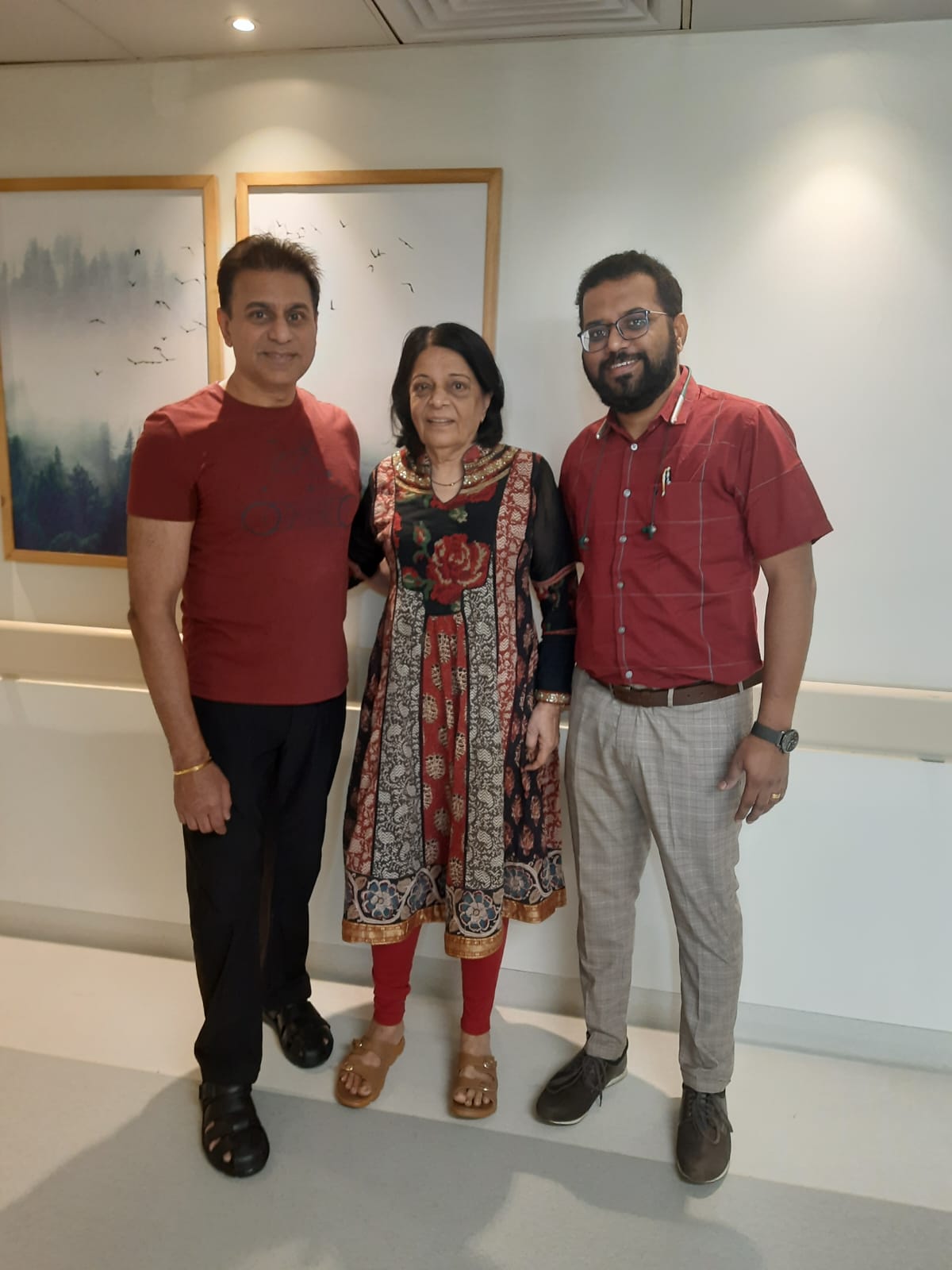
I never stayed in Shalby Mumbai. But I met Dr Dhananjay in Mumbai 2016. It was for both my knees replacement. I was not even able to walk for 5 minutes. Under Dr Dhananjay’s guidance I prepared myself for at a time both the surgery. 2017 Jan I got surgery done in Ahmedabad. I can’t explain my experience so well .. it was awesome..everything. Trust me I got few surgeries in my past . Most noticeable thing about it is ...Doctors & staff ..everyone is supporting you every movement with there positive thinking & attitudes. There is so much positive vibes. I am running around with both my new knees from last 3 years . I had gone for a beach vacation after 4 weeks of my surgery. Thankful to all of them for my new life. In this present commercial medical system I can trust Shalby & the Doctors & the staff of Shalby everywhere in India. Good Doctors # Staff # Hospitals
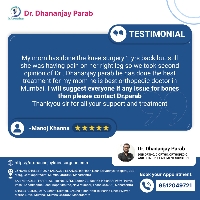
My mom has done the knee surgery 1 yrs back but still she was having pain on her right leg so we took second opinion of Dr . Dhananjay parab he has done the best treatment for my mom he is best orthopedic doctor in Mumbai. I will suggest everyone if any issue for bones than please contact Dr.parab Thankyou sir for all your support and treatment Manoj khanna
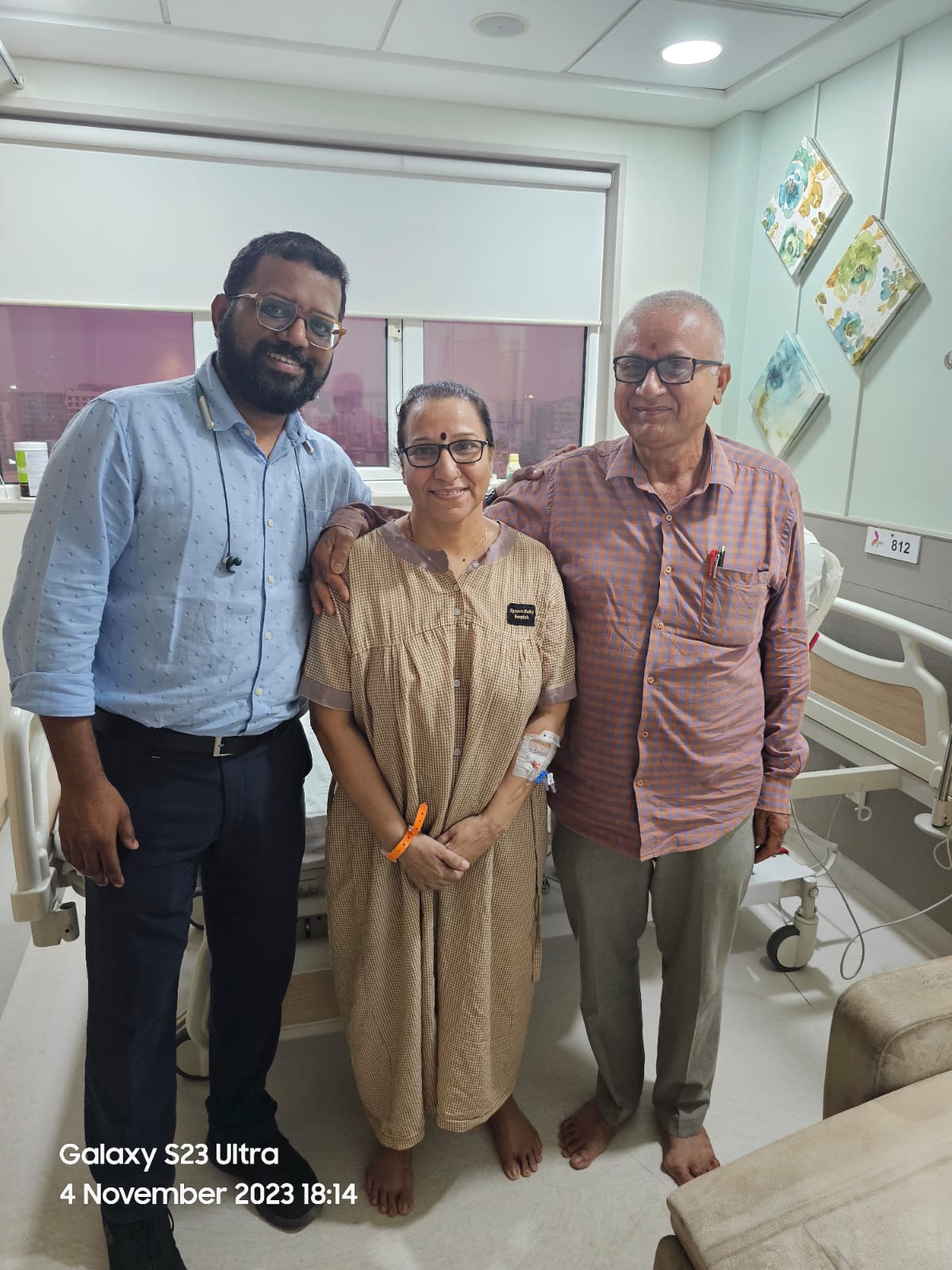
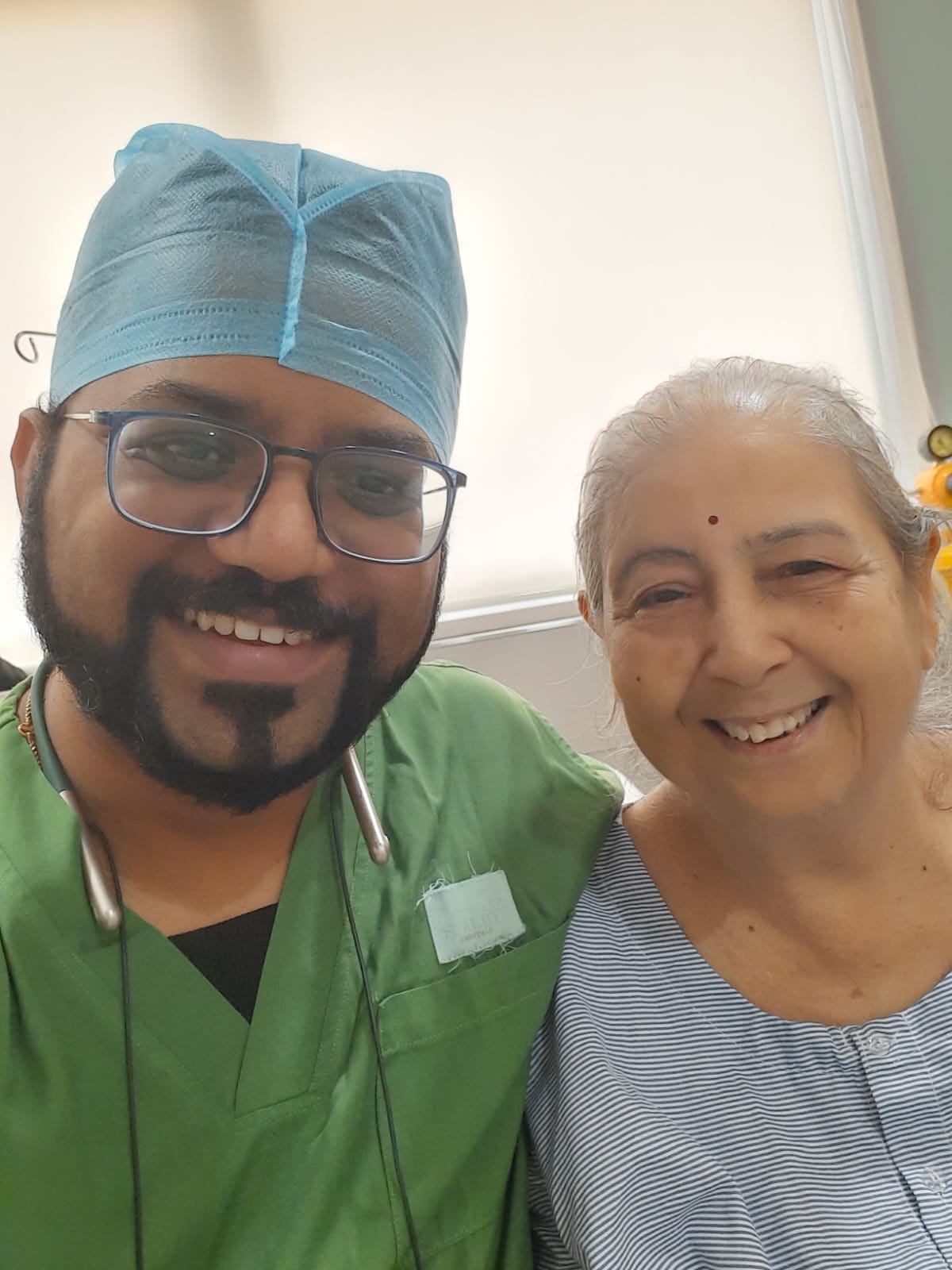
I recently underwent the surgery under the expert care of Dr. Dhananjay Parab. He is an excellent doctor. Very kind, skilled and helpful. The surgery went well and I am recovering fast. The RMO doctor's and nursing staff was very caring and supportive. The management team was also helpful and made the process smooth. Thankyou to the entire team of Zynova Shalby for taking such good care of me.
Our Latest Videos










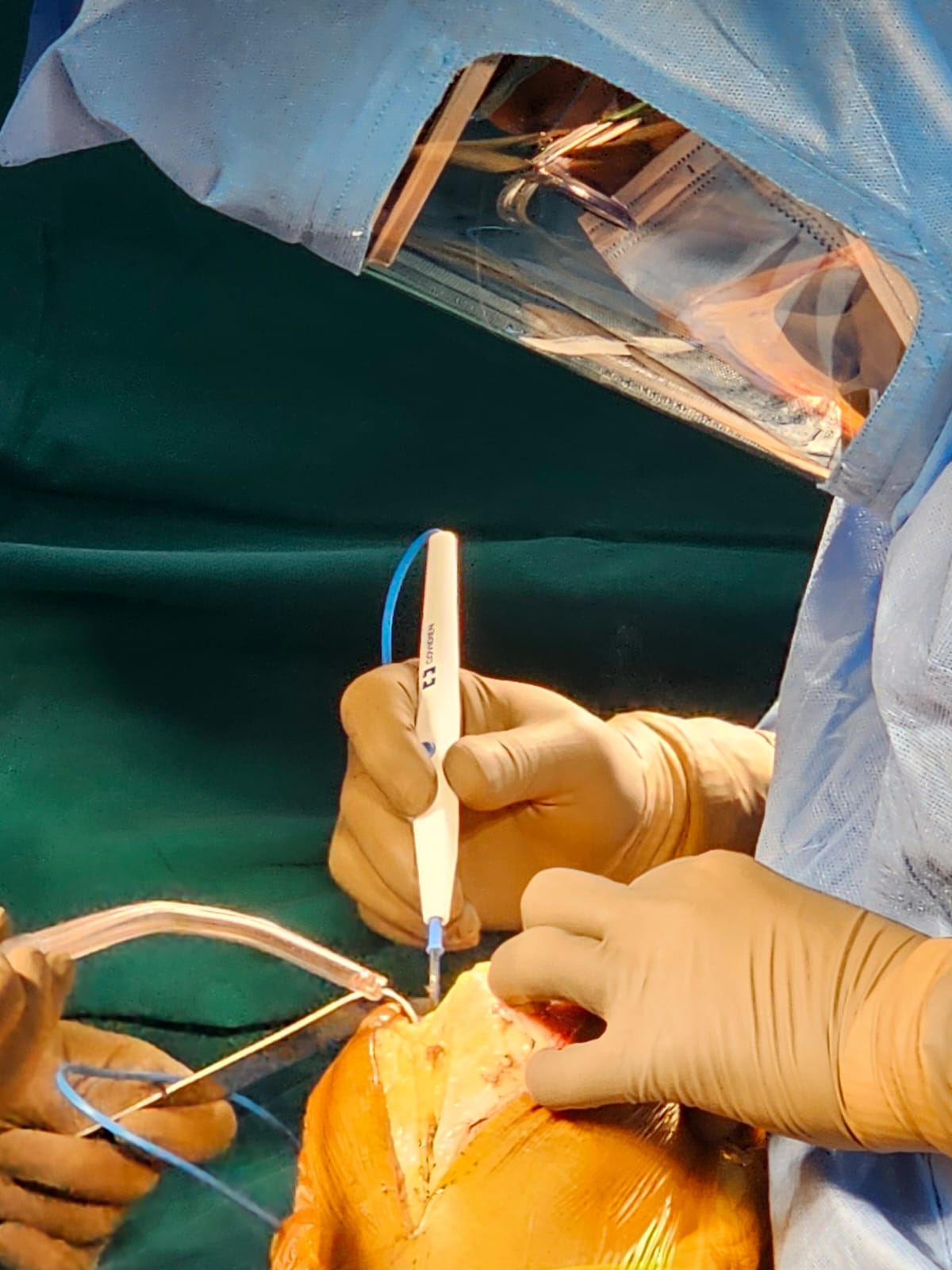

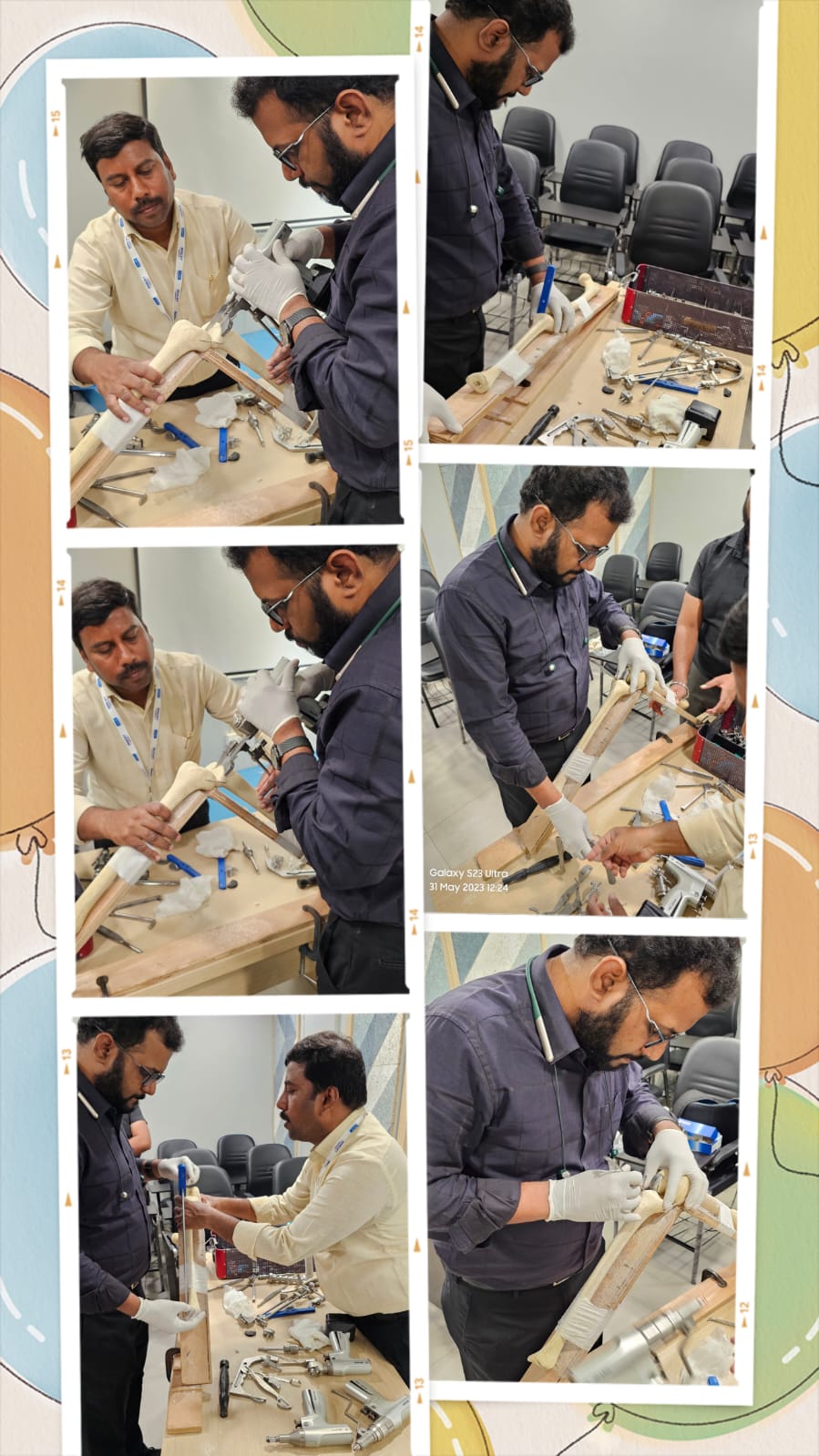
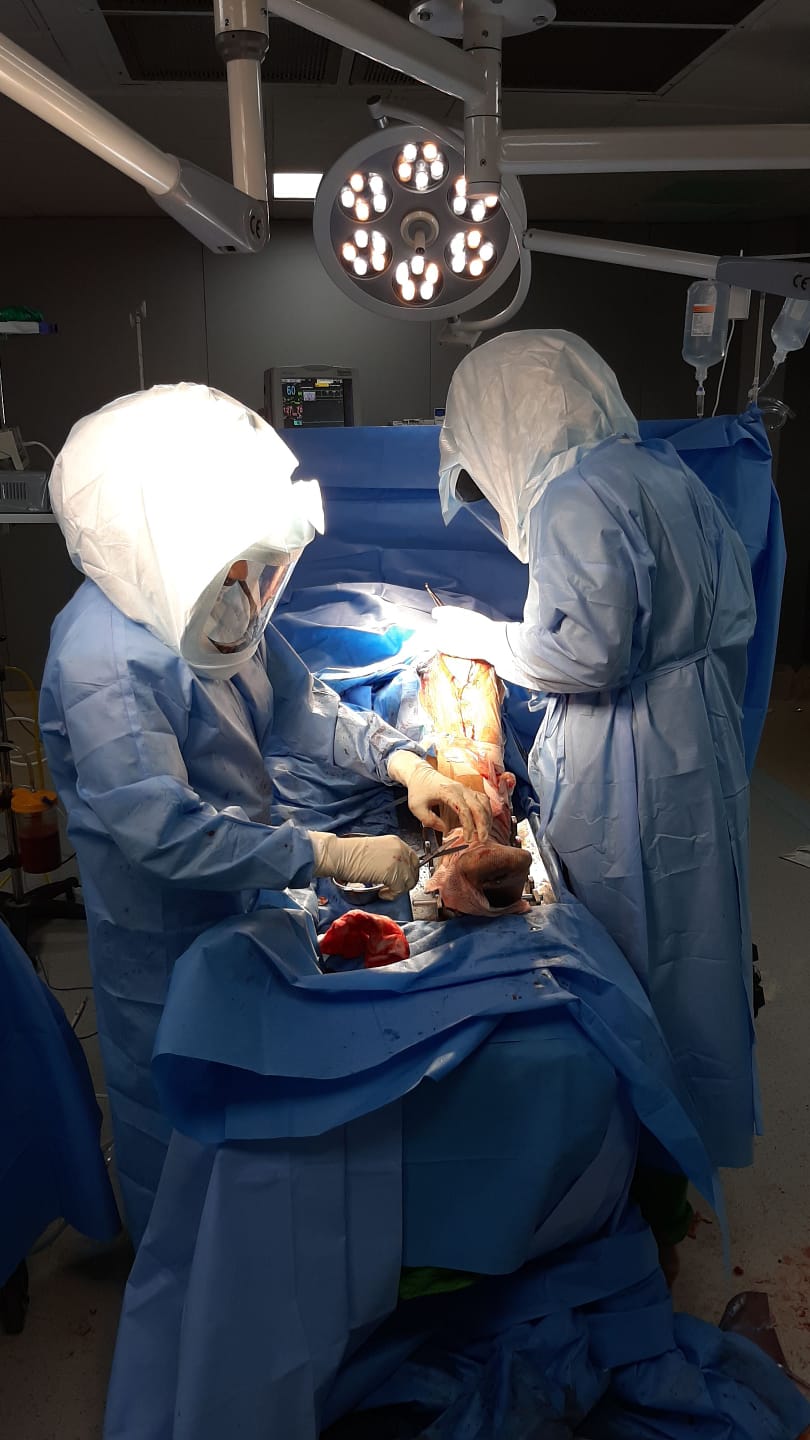
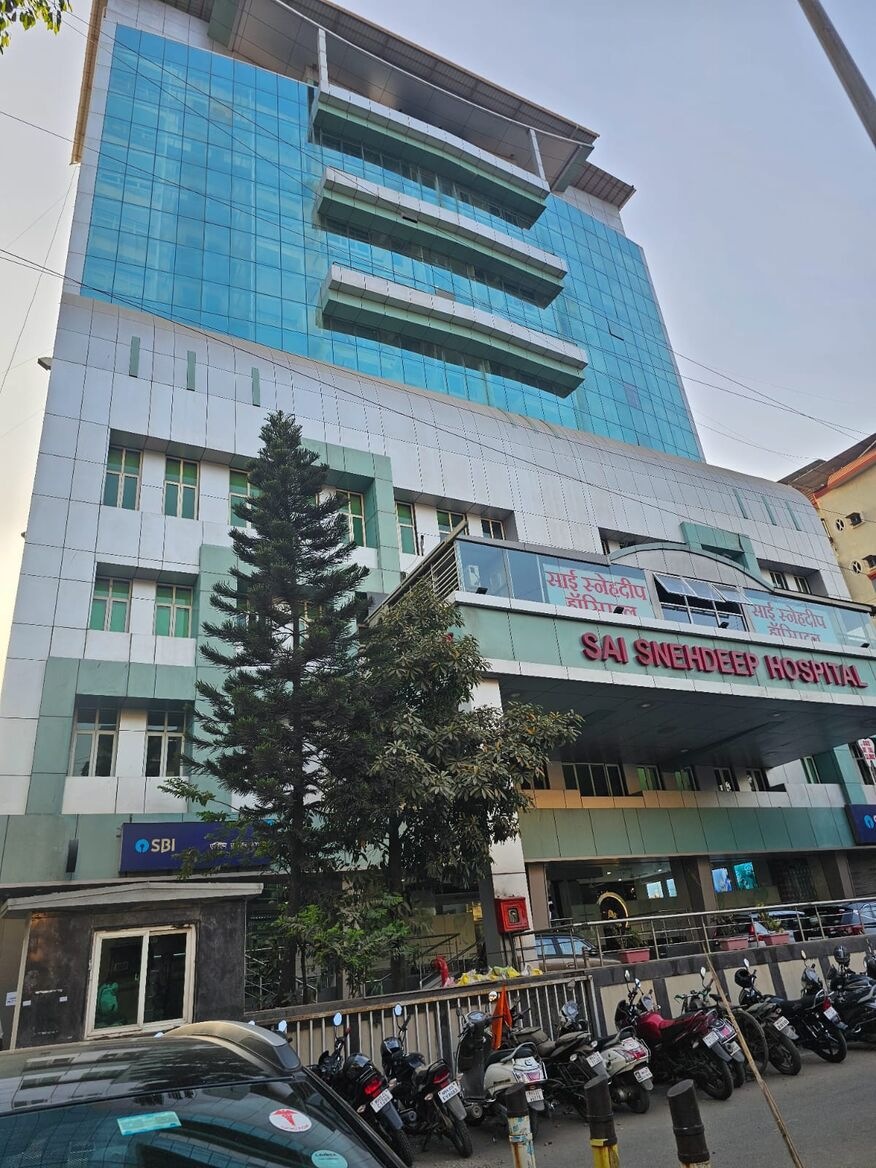
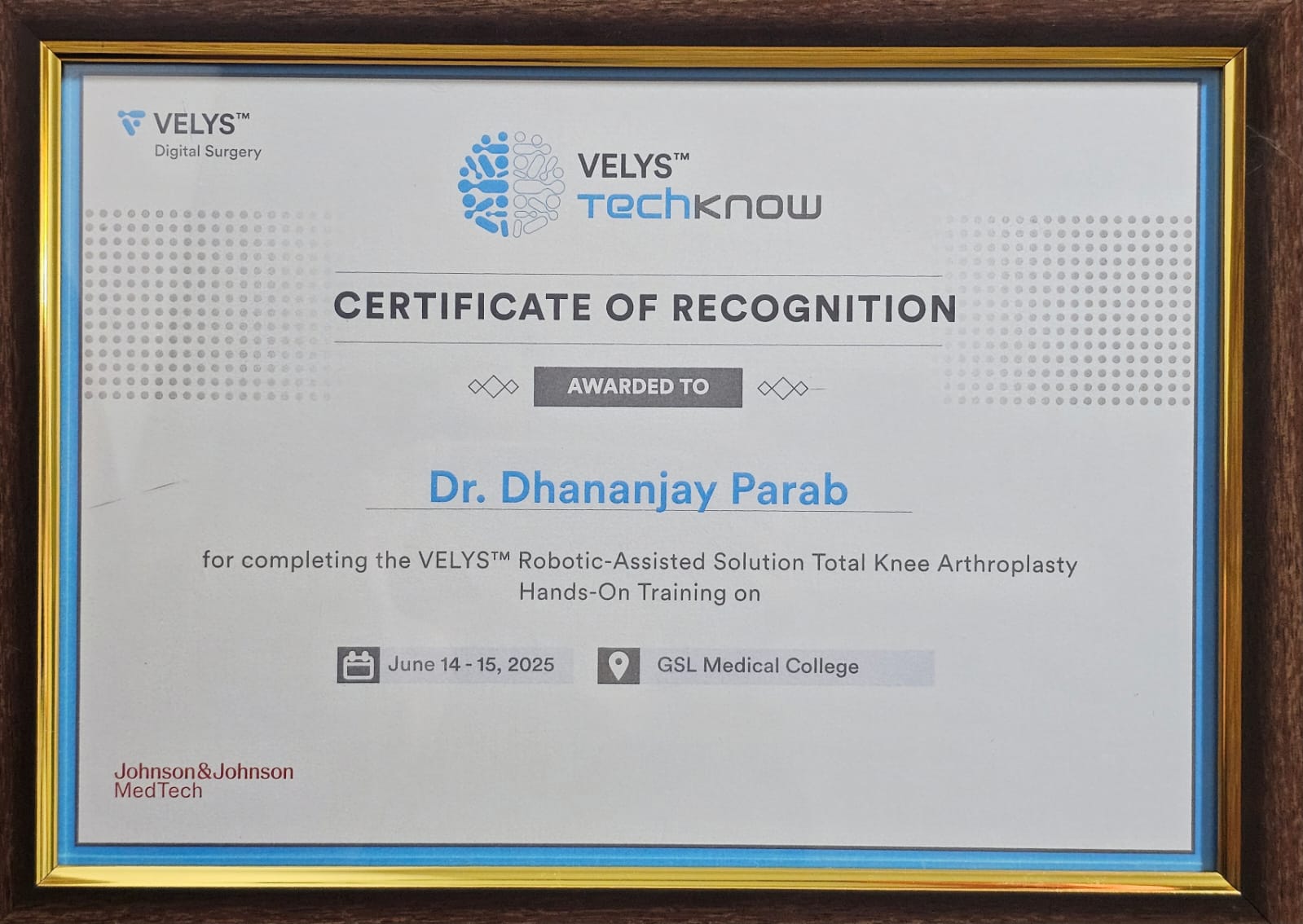
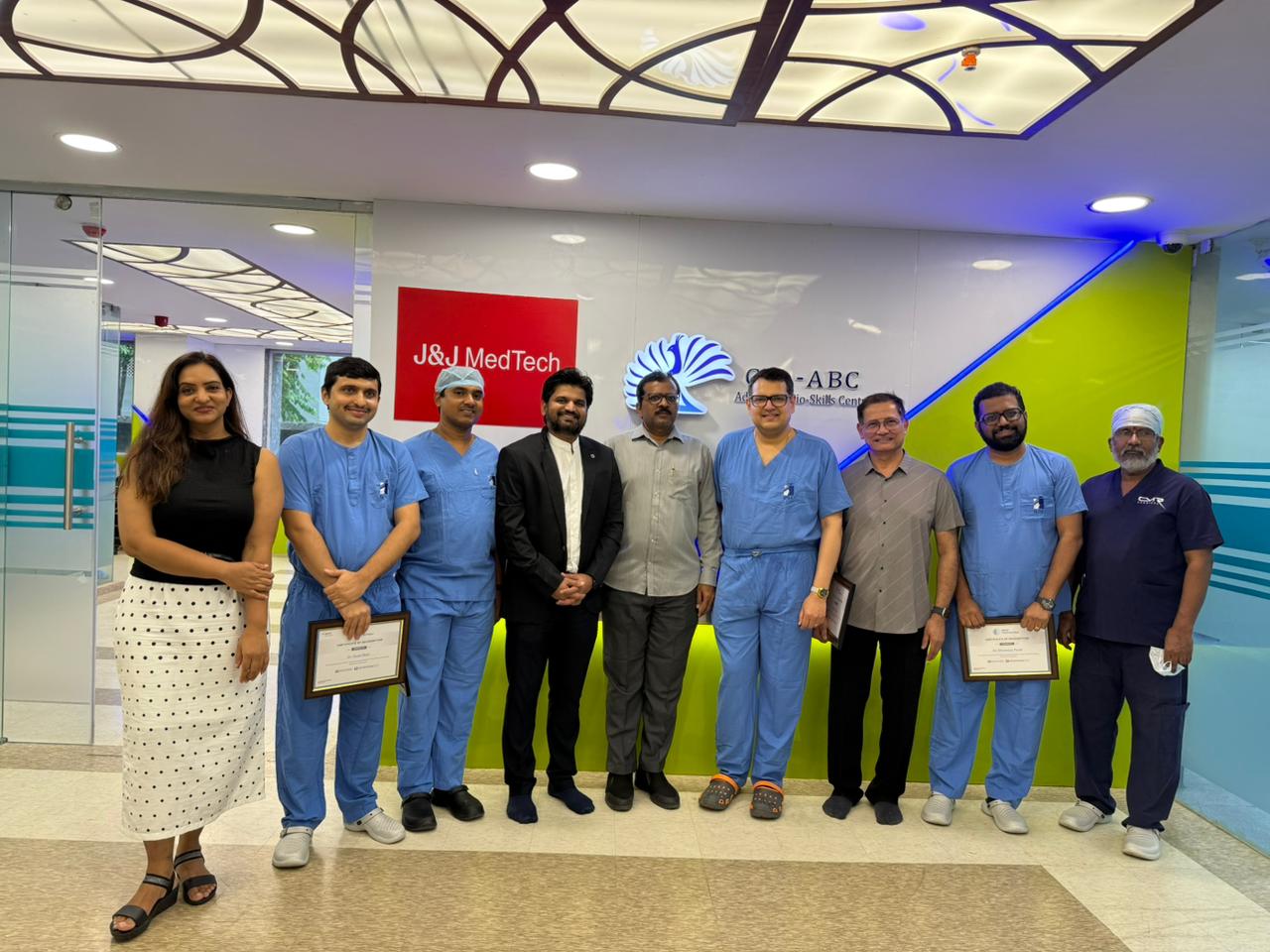
Need Answers? Find them here...
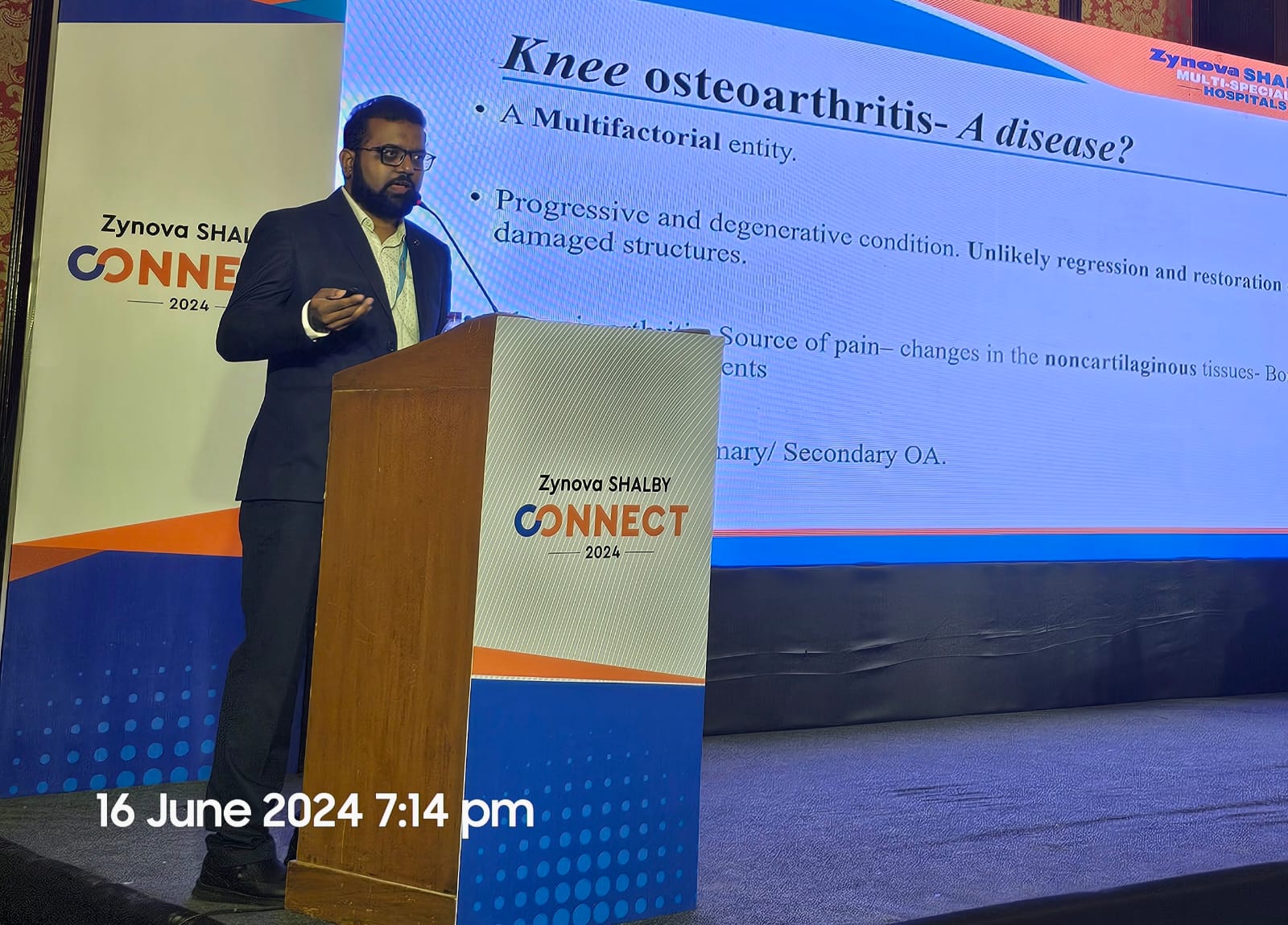
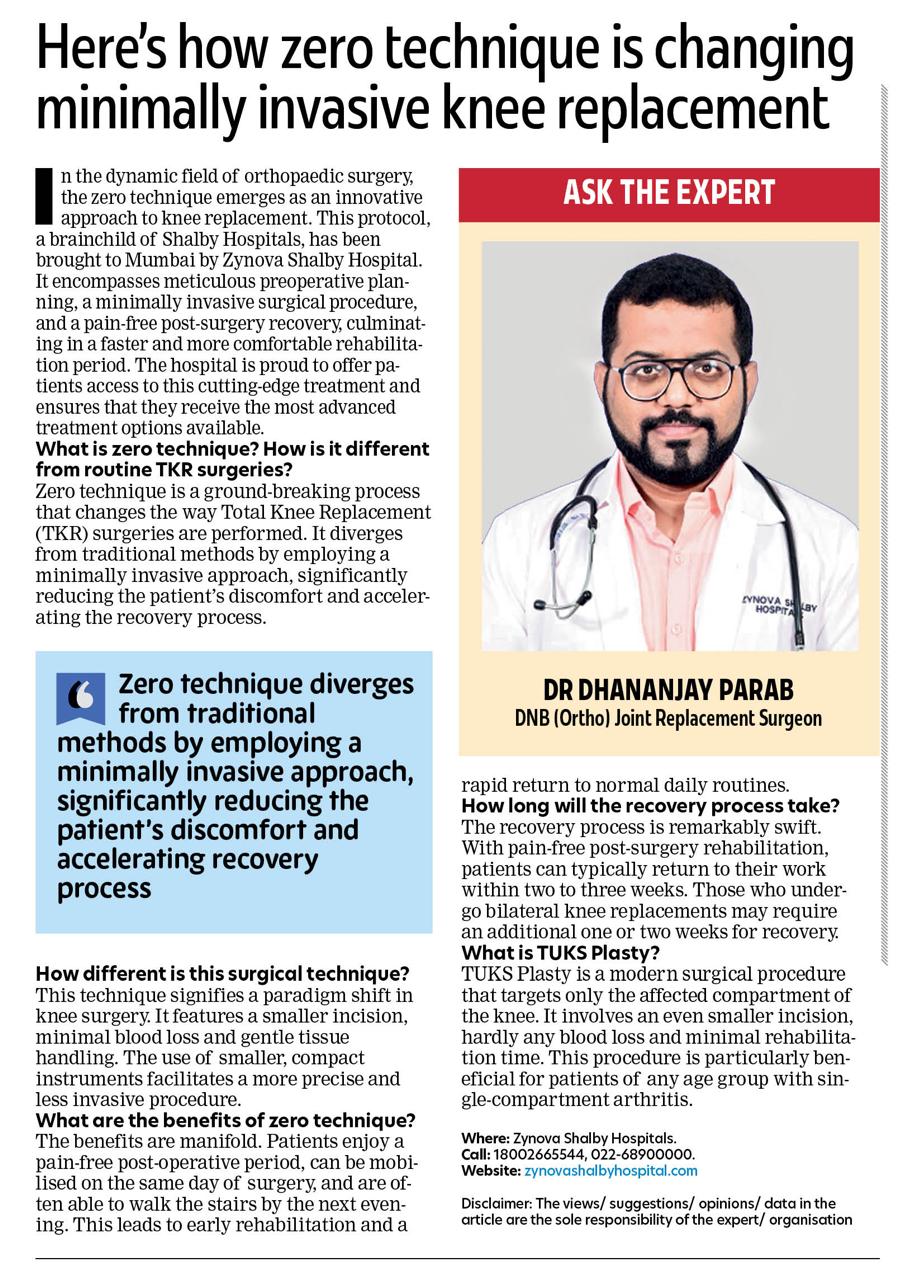
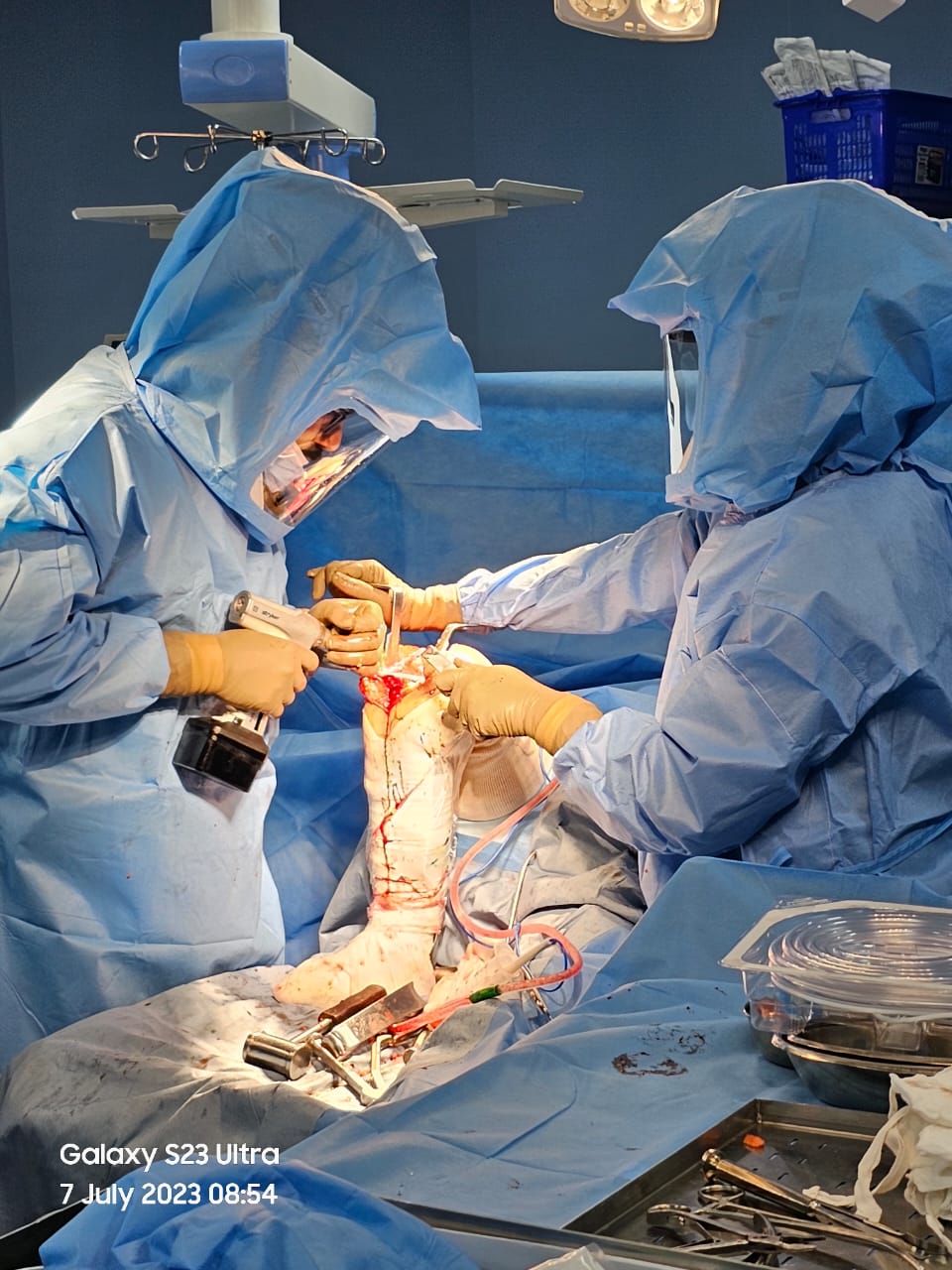
Dr. Dhananjay Parab stands out as a leading choice for knee replacement surgery in Thane due to his extensive experience and expertise in the field. With over 5,000 successful knee replacement surgeries, including complex and revision cases, Dr. Parab is renowned for his skill in minimally invasive techniques and post-infection knee replacements. His dedication to superior patient care and commitment to faster recovery and enhanced mobility make him a preferred orthopedic surgeon for knee replacements.
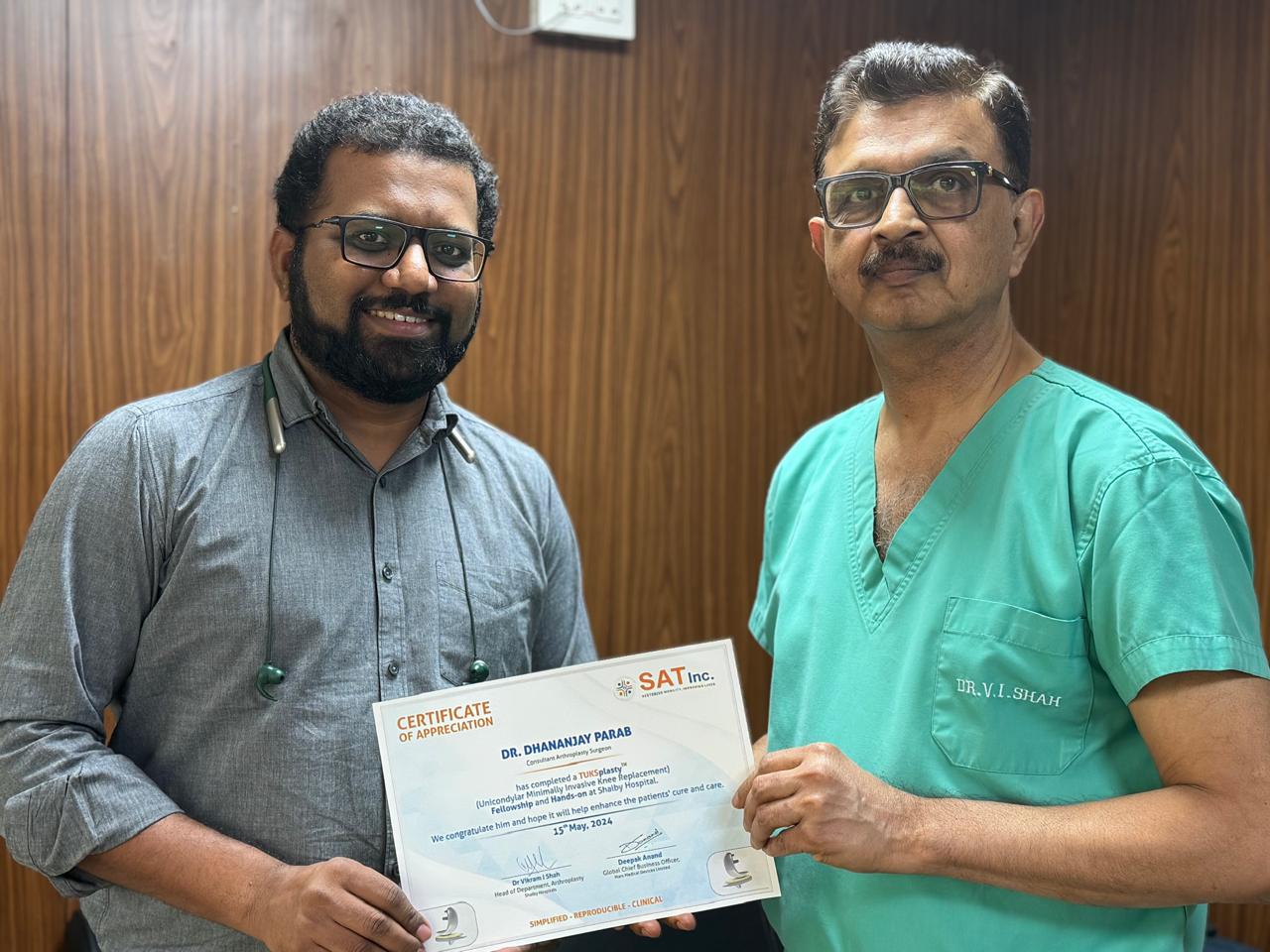
Dr. Dhananjay Parab's expertise in joint replacement surgeries is a result of his comprehensive education and extensive experience. He completed his MBBS from Rural Medical College, Loni, and went on to earn his Diploma in Orthopedics and DNB Orthopedics. He has gained valuable experience through various prestigious roles, including a fellowship from DePuy Synthes and his current position as a Joint Replacement Surgeon at Shalby Hospitals, Ahmedabad. His background has equipped him with the skills to handle even the most complex joint replacement cases effectively.
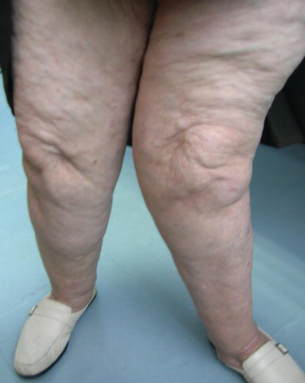
Knee replacement surgery involves replacing a damaged, worn-out, or diseased knee with an artificial joint. It is recommended when non-surgical treatments like medications and physical therapy fail to relieve severe knee pain and disability, usually in cases of arthritis or significant trauma. Improved mobility and reduced pain are key benefits, making daily activities easier for patients.
Revision knee replacement is a procedure where a previously implanted knee prosthesis is replaced with a new one. This may be necessary if the original implant fails due to wear, loosening, infection, or fracture. It is more complex than primary knee replacement and requires specialized skills to manage the damaged bone and tissue, aiming to restore function and relieve pain in the affected knee.
Post-infection/trauma revision knee surgery addresses complications arising from infections or trauma following the initial knee replacement. Unlike standard revisions that focus primarily on mechanical failure, this procedure involves meticulous debridement of infected or damaged tissue and may require staged surgeries to clear the infection or repair trauma before implanting a new prosthesis, ensuring long-term joint health.
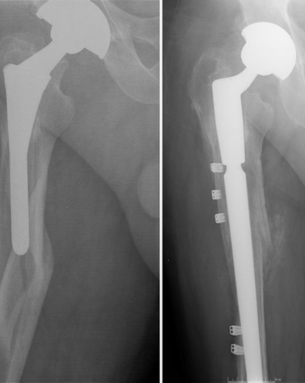
Primary hip replacement is indicated for patients with severe hip pain and dysfunction due to conditions like arthritis, fractures, or avascular necrosis. Revision hip replacement is needed when a hip implant fails over time due to factors like wear, infection, or dislocation. Both surgeries aim to alleviate pain and restore mobility but require different levels of complexity and planning, especially revisions.
Before knee replacement surgery, patients should undergo a thorough medical evaluation to assess health status and any risk factors. Pre-operative preparations include physical therapy to strengthen muscles, quitting smoking to enhance healing, and making home adjustments for post-surgery mobility. Discuss all medications with your surgeon, as some may need adjustment. Mental preparation is crucial for setting realistic recovery expectations.
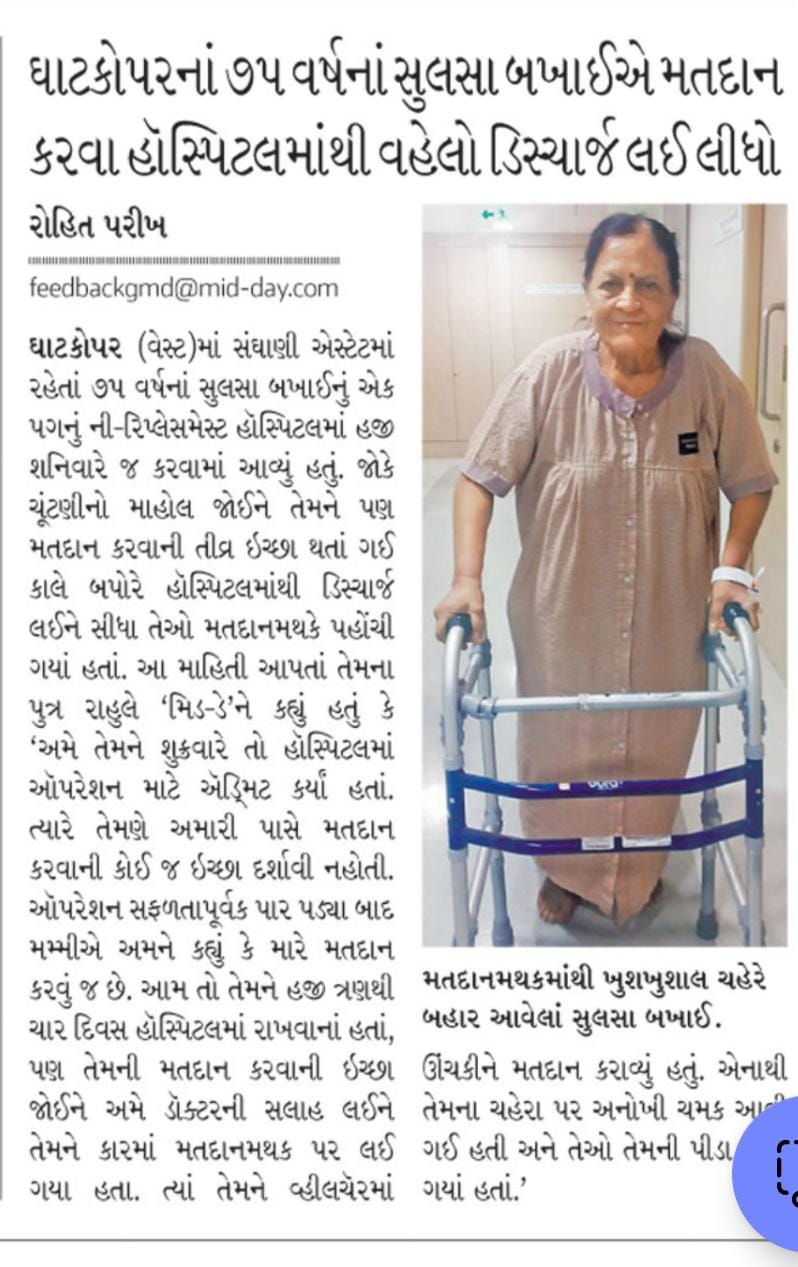
Recovery time following knee replacement surgery varies but generally involves a hospital stay of a few days, with initial mobility assisted by a walker or crutches. Most patients resume normal activities within 6-12 weeks, focusing on rehabilitation exercises to restore knee function. Full recovery, including strength and flexibility restoration, may take 6 months to a year, depending on individual health and adherence to rehabilitation protocols.
Revision knee replacement surgery carries risks similar to any major surgery, including infection, blood clots, and anesthesia-related complications. Specific risks include bone loss, nerve damage, and implant instability. Since revision surgeries are more complex, there's a higher chance of complications compared to primary replacements. However, with a skilled surgeon and proper post-operative care, most risks can be effectively managed for successful outcomes.
Post-infection/trauma revision knee cases can lead to a more prolonged and challenging recovery due to the complexity of treating infections or repairing structural damage. Such scenarios may require extended antibiotic treatments and possibly multiple surgeries. Despite these challenges, dedicated rehabilitation, lifestyle adjustments, and close monitoring by the healthcare team can lead to successful outcomes and restored knee function over time.
Physical therapy is crucial after hip replacement surgery, as it facilitates faster recovery and enhances overall outcomes. It focuses on strengthening muscles around the hip joint, improving flexibility, and regaining mobility. A tailored exercise program helps patients perform daily activities with less pain and reduces the risk of complications like stiffness or dislocation, ensuring a successful return to an active lifestyle.
Post-operative pain management after knee replacement surgery involves a combination of medications, such as opioids, NSAIDs, and nerve blocks, alongside non-drug approaches like ice packs and elevation. Effective pain control facilitates participation in physical therapy and accelerates recovery. Pain levels typically diminish over weeks, but long-term strategies may include lifestyle changes, weight management, and strengthening exercises to preserve knee function.
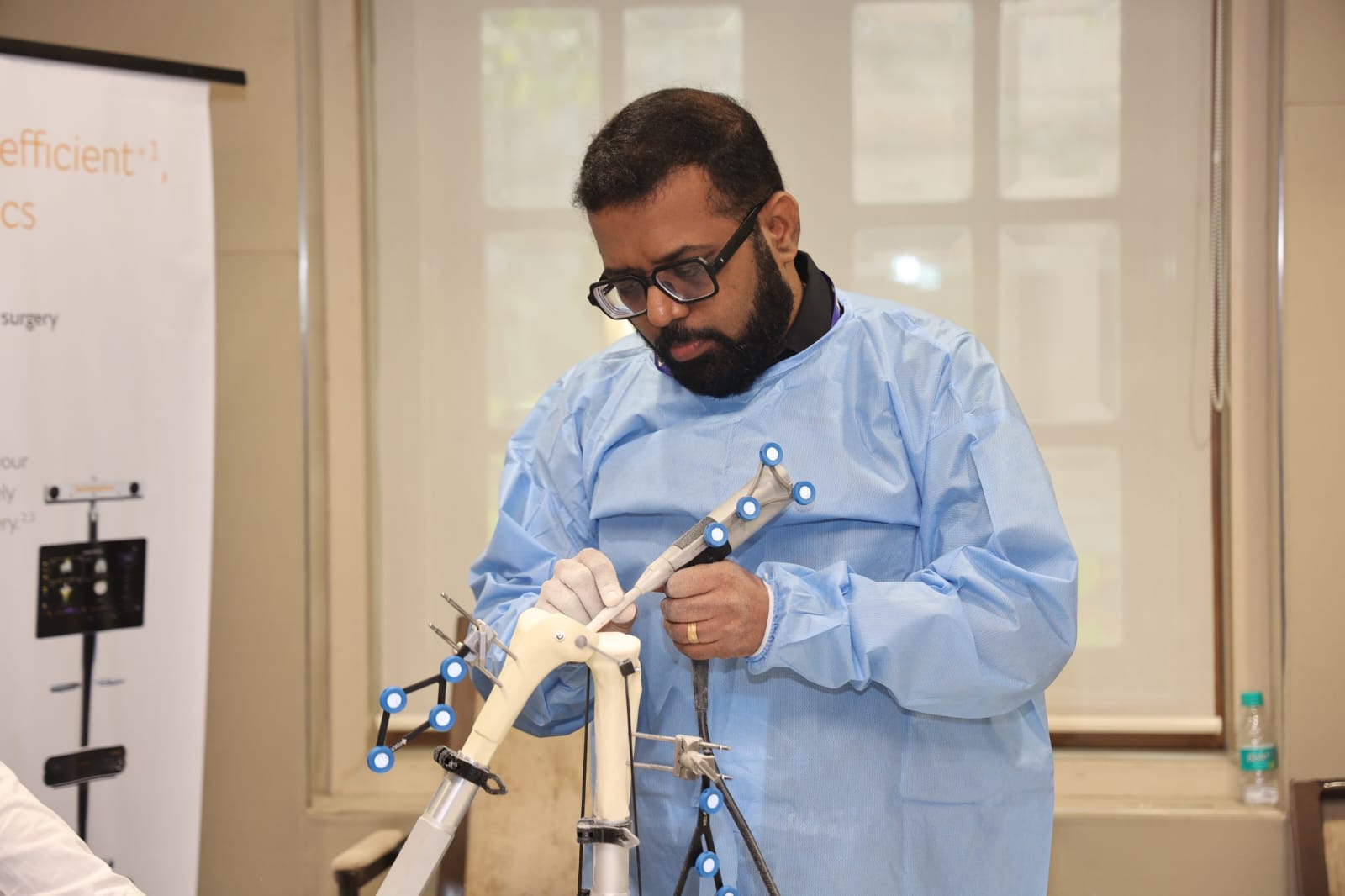
Recent advancements in knee replacement technology include minimally invasive surgery techniques, improved implant materials, and customized prosthetics tailored to individual anatomy. Robotic-assisted surgeries enhance surgical precision, while enhanced recovery protocols promote quicker rehabilitation. These innovations aim to improve surgical outcomes, reduce recovery times, and extend the lifespan of knee implants, offering patients a better quality of life and more natural knee function.
Yes, you can have a knee replacement even if you've had a hip replacement. Surgeons often perform joint replacements on patients with multiple affected joints due to arthritis or other conditions. It's crucial for the orthopedic surgeon to be aware of the hip replacement details, as it may influence surgical planning and rehabilitation to ensure both joint replacements function harmoniously, leading to optimal mobility and comfort.
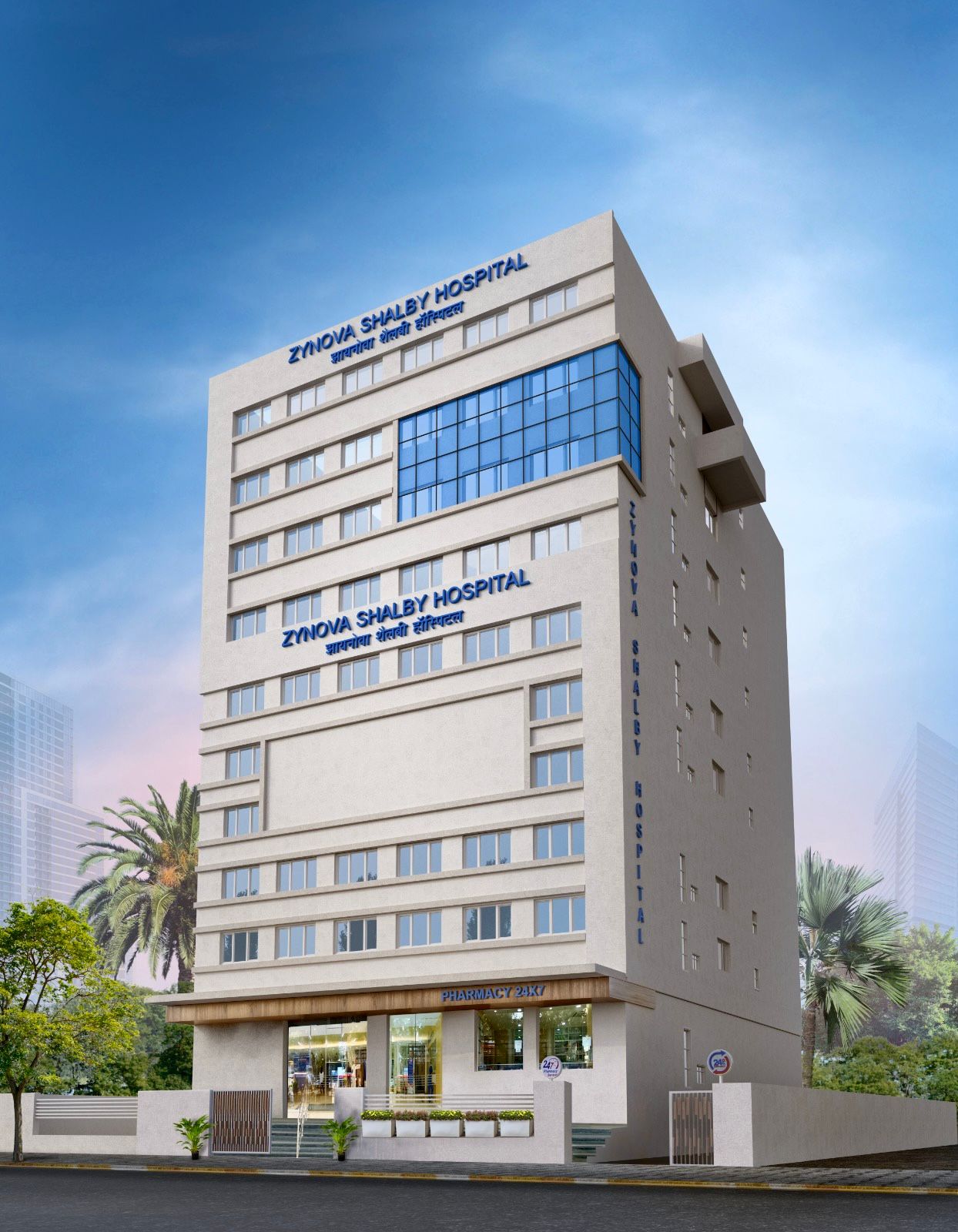
 Address :ZYNOVA SHALBY HOSPITAL,ACME ELANZA, 1st Floor,,Near Sarvodaya Hospital, LBS Marg, Ghatkopar West, Mumbai 400086, Maharashtra Address :SAISNEHADEEP HOSPITAL,Plot No. 12/13, Sector 20, Next to Indian Oil Petrol Pump, Vashi-Koparkhairne Road, Koparkhairne, Navi Mumbai, Thane 400709, Maharashtra Address :SHALBY CLINIC, 95/A, Shanti Niketan, Ground Floor, Next to Marine Lines Flyover, Marine Drive, Mumbai, Mumbai 400002, Maharashtra Address :Sygna Clinic, Dr Shashank Neuro center, A-302,Sai Infotech, Above Balaji Restaurant, Patel Chowk,Ghatkopar East, Mumbai 400077, Maharashtra Address :Doctor's Planet NX, Ground Floor, Hamilton, next to Hiranandani Hospital Hiranandani estate, Patlipada, Thane, Mumbai 400607, Maharashtra